
If the damage is limited to a few posts, boards or a gate, and the rest of the fence is solid, repair is usually the better call. If problems show up along most of the run, the posts are failing in several places, or you're already planning to change the layout or height, a full replacement usually makes more sense than paying for repair after repair.
What you want to know is whether you'd be fixing the fence or just patching it until the next spring thaw. Here's how to tell which one your fence needs.
Not sure how far the damage goes? Send Rob photos of the problem posts and sections through the free estimate form. The estimate is free, written and no obligation, and he usually replies within about 24 hours.
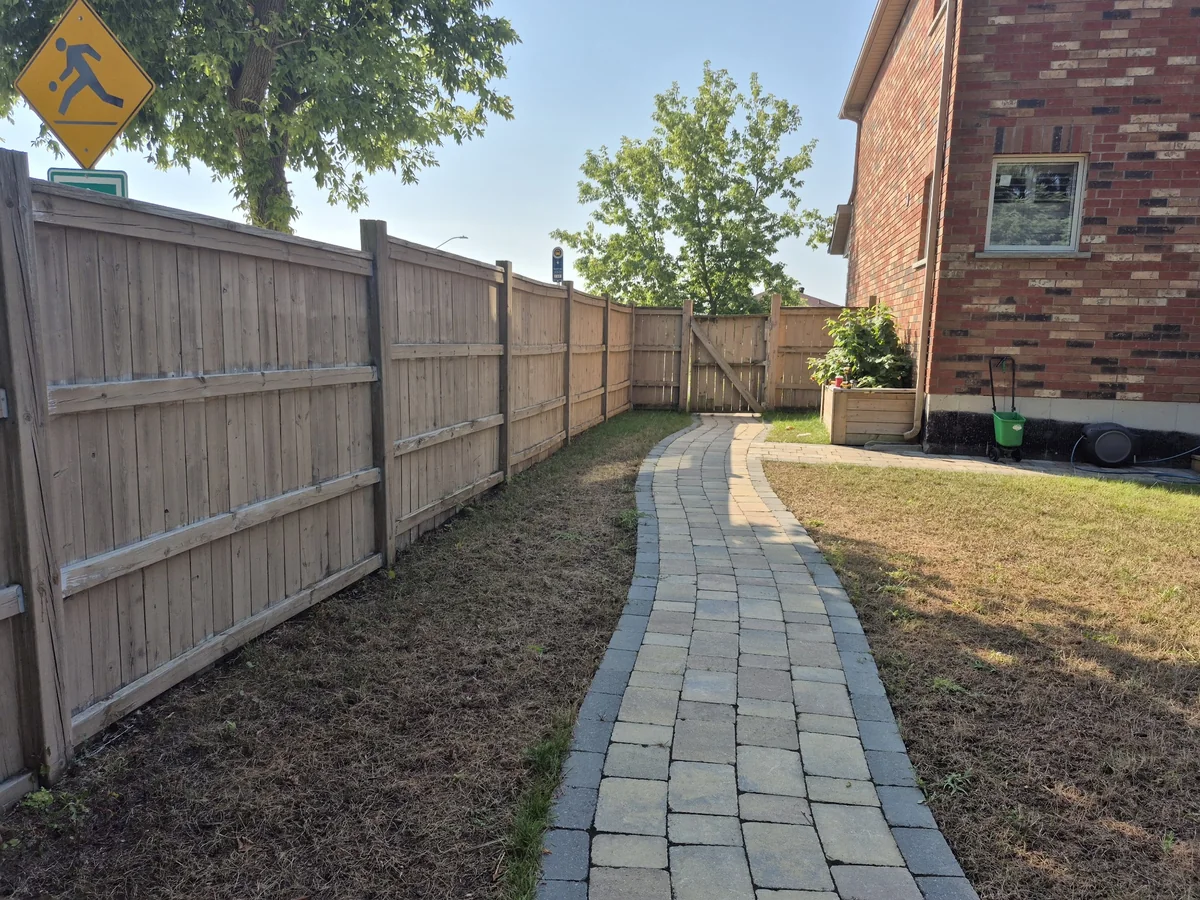
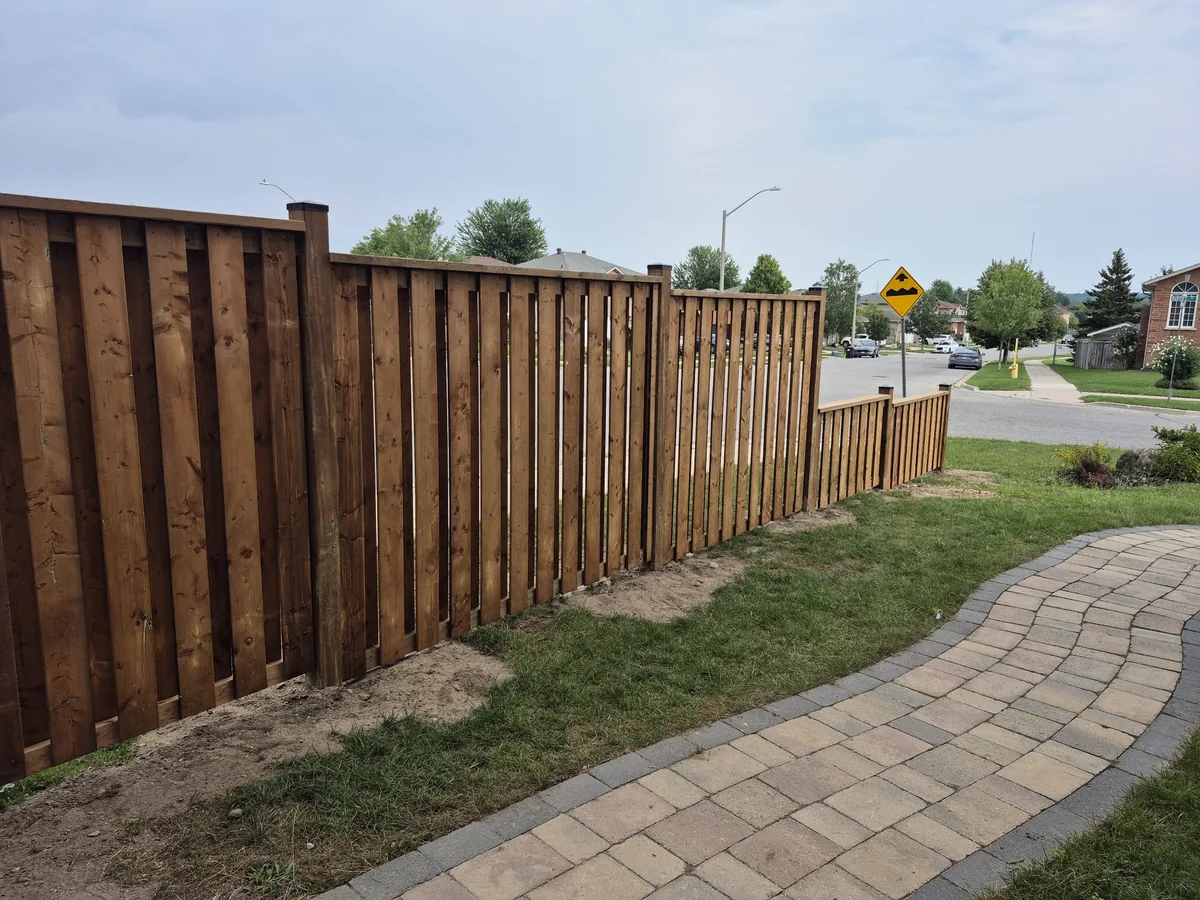
Repair vs replace at a glance
| Repair | Full replacement | |
|---|---|---|
| Best when | Damage is in one area: a few posts, boards, rails or a gate | Damage is spread along the run, or several posts are failing |
| Typical scope | Reset or replace posts, swap boards or rails, fix the gate | Remove the old fence, set new posts, build new panels and gates |
| What drives cost | How many parts need work and how hard they are to reach | Length of fence, height, materials, gates and removal of the old fence |
| Disruption | Usually short and confined to one section | The whole fence line is open for the duration of the job |
| How it looks after | New parts can stand out against weathered wood | Uniform look along the entire run |
| Chance to change layout or height | No, it follows the existing fence | Yes, a good time to rethink the line, height and gates |
| Utility locates | May be needed if new post holes are dug | Needed for new post holes |
| Hunt handles it | Yes | Yes, including old fence removal |
Hunt doesn't publish a set price for fence repairs or replacements, because the right number depends on what your fence actually needs. Your written estimate gives you the exact figure for your yard.
When repair is the right choice
Repair is the practical option when the fence is mostly sound and the trouble is local. Common examples:
- One or two leaning posts. Freeze-thaw cycles can push posts out of line over a single winter. The usual fix is to pull the post and reset a new one in concrete. We cover this in more detail in leaning fence posts after winter.
- Broken or missing boards. A storm, a fallen branch or a snowbank piled against one section can crack boards without affecting the rest.
- A loose rail. If the posts are solid, rails can often be refastened or replaced.
- A sagging or sticking gate. Gates take the most daily wear of any part of a fence. Hunt prices gate repairs by what the gate needs. See sagging or sticking gate? for the common causes.
Best for: newer fences in good overall shape, damage from a single event, or homeowners who want to stretch a sound fence a few more seasons without the cost of a full rebuild.
One trade-off to expect: new boards won't match weathered ones right away. On a fence that will be stained, that difference matters less.
"Rob was prompt, professional and does excellent work." — Dave Forkutza, Facebook recommendation (fence and gate repair)
When full replacement makes more sense
Replacement starts to win when the repairs stop being isolated. Signs that point that way:
- Several posts are leaning or loose along the run. One heaved post is a repair. Posts failing in several places usually means the whole fence is at the same stage.
- Soft or rotting wood at the base of posts. Ground contact, snowmelt and spring wet spells are hard on wood near grade. If you can push a screwdriver into the post at ground level, check the others.
- You've already repaired it more than once. If every spring brings a new section to fix, the money spent on patches can add up to a good share of a new fence.
- The fence no longer does its job. It doesn't give you the privacy you want, doesn't keep a dog in, or no longer suits the yard.
- You're changing the yard. A new deck, patio or landscaping is a natural time to move the fence line, add a gate or change the height.
Best for: older fences that have been through many winters, fences with failing posts in multiple spots, and anyone who wants a uniform look or a different layout.
Hunt handles the full job: removing the old fence, setting new posts, and building the new fence and gates. If you're leaning toward replacement, our guide on how to plan a new fence walks through layout, height and material decisions.
A note on pool fences
Fences around pools can have their own requirements, so if your fence surrounds a pool, check with the City of Barrie before any repair or replacement work begins. Rob can talk through the job with you. For an example, see Hunt's poolside fence replacement in Barrie: the aging fence and posts were removed and rebuilt in pressure-treated wood, with a new double gate, through a narrow side-yard work area.
Still on the fence? Get a straight answer in writing
The quickest way to settle repair versus replace is to have Rob look at the posts and the run. If a couple of posts and a gate will do it, that's what he'll quote; if the whole line is failing, he'll explain why. Call 705-716-7069 or request an estimate online. It's free, written and no obligation, you'll usually hear back within about 24 hours, and booking early helps get your project on the schedule sooner.
How Barrie winters tip the decision
Freeze-thaw cycles. Cold winters and repeated thawing move the ground around posts, and a fence that leans a little after one winter can lean more after the next. One or two moved posts are a repair. A whole line that has shifted points to replacement.
Snow load. Snow piled against a fence stresses boards and rails. Damage from a single storm is usually a repair; a fence weakened all over is more likely a replacement.
Age of the property. On an older property, the fence may be as old as the house. On a newer build, a fence with one problem area is often worth repairing.
Timing. If a post heaved over winter, get it looked at in spring before the lean gets worse or the gate stops latching.
What to check before you call
A quick walk along the fence will make your conversation with Rob more useful:
- Count the problem posts. Note any that lean, wobble or feel soft at the base.
- Look at the boards and rails. Are the cracks and gaps in one area or all along the run?
- Test the gate. Does it sag, drag on the ground or fail to latch?
- Think about what you want. Same fence, or a different height, layout or gate position?
- Take a few photos. Wide shots of the whole run plus close-ups of the trouble spots help Rob review the job before an on-site visit.
If new posts will be dug, utility locates are needed first. You'll usually request these yourself, since that's easiest for the homeowner. In Ontario, locates are requested through Ontario One Call. If the fence is shared with a neighbour, it's also a good idea to talk to them before work starts.
How Rob helps you choose
- You tell Rob about the fence. Call, email or use the estimate form. Photos help.
- Rob reviews it, with an on-site visit when needed. He looks at the posts, rails, boards and gates to see whether the problems are local or spread along the run.
- You get a written estimate for the repair or the replacement, whichever the fence actually needs.
- The work gets done with progress updates and a final cleanup. For replacements, that includes removing the old fence.
Hunt has 10 years of industry experience and carries general liability insurance and WSIB coverage. Payment is a 50% deposit up front, with the remainder on completion.
See the full fence installation service for repairs, gates, replacements and removal.
Get a straight answer on your fence
Your fence might need a couple of new posts or a complete rebuild. Either way, start with a few photos and a quick description. Call Rob at 705-716-7069, email quotes@huntcontracting.ca, or request a free written estimate. It's free, written and no obligation, and you'll usually hear back within about 24 hours, so you'll know which option makes sense before spending anything.
Common questions
Frequently Asked Questions
How do I know if my fence should be repaired or replaced?
Look at where the damage is. If it's limited to a few posts, boards or the gate and the rest of the fence is solid, repair usually makes sense. If posts are leaning or soft in several places, or you keep repairing different sections every year, replacement is often the better value.
Can you replace just one fence post?
Yes. A single leaning or damaged post can usually be replaced without rebuilding the fence. The typical fix is to pull the old post and reset a new one in concrete. If several posts along the run are failing, Rob will let you know whether a full replacement makes more sense.
Does Hunt Contracting remove the old fence?
Yes. Hunt handles old fence removal as part of a full replacement, along with setting new posts and building the new fence and gates. Your free written estimate shows what's included, and the job finishes with a final cleanup so your yard is left tidy once the new fence is up.
How much does fence repair cost in Barrie?
It depends on what the fence needs: how many posts, boards or rails need work, and whether a gate is involved. Hunt prices each repair by what's actually needed rather than using a flat rate. Your free written estimate gives you the exact figure, and Rob usually responds within about 24 hours.
Do I need anything special for a pool fence?
Fences around pools can have their own requirements, so check with the City of Barrie before any repair or replacement work begins on a fence around a pool. Rob can talk through the job with you when he reviews your fence and prepares your free written estimate.
Planning a fence project?
Send Rob your address, a rough fence length, any gates or repairs, and a few photos. Free written estimate.
Request a Fence Estimate